
Revolutionizing Wildlife Monitoring with Advanced Technology
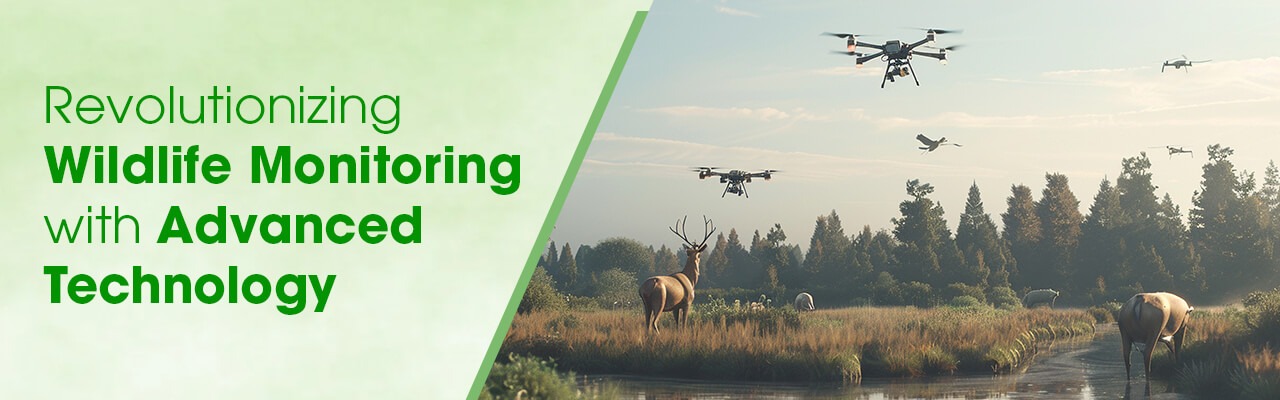
In the realm of wildlife conservation, technology plays a pivotal role in understanding and protecting animal populations. Traditional methods of tracking and monitoring wildlife can be labor-intensive and often limited in scope. However, with the advent of AI wildlife monitoring, automated wildlife tracking, and other cutting-edge wildlife conservation technologies, researchers and conservationists now have powerful tools to enhance their efforts. This article delves into the transformative impact of AI in wildlife research, real-time wildlife monitoring, and the future of wildlife conservation.
AI Wildlife Monitoring
AI wildlife monitoring is a game-changer in the field of wildlife research and conservation. By leveraging artificial intelligence, scientists can process vast amounts of data collected from various sources, such as cameras, sensors, and satellites. AI algorithms can analyze this data to identify species, track movements, and even predict behavior patterns, all with a level of accuracy and efficiency that surpasses traditional methods.
Benefits of AI Wildlife Monitoring
Automated Wildlife Tracking
Automated wildlife tracking involves using technology to monitor animal movements without direct human intervention. This can include GPS collars, drones, and camera traps equipped with sensors that automatically record data. These automated systems provide continuous monitoring and can cover vast areas, making them invaluable for studying wide-ranging species and remote habitats.
Advantages of Automated Wildlife Tracking
Wildlife Conservation Technology
The field of wildlife conservation technology encompasses a range of tools and innovations designed to protect and preserve wildlife populations. From AI and automated tracking to satellite imagery and DNA analysis, these technologies offer new ways to address the challenges facing wildlife conservation.
Key Wildlife Conservation Technologies
AI in Wildlife Research
AI in wildlife research is revolutionizing the way scientists study and conserve animal populations. By automating data analysis and providing new insights into animal behavior, AI is helping researchers make more informed decisions and develop more effective conservation strategies.
Applications of AI in Wildlife Research
Real-Time Wildlife Monitoring
Real-time wildlife monitoring provides immediate insights into animal movements and behaviors. This is crucial for addressing urgent conservation issues, such as poaching, habitat destruction, and human-wildlife conflict. By using real-time data, conservationists can respond quickly to threats and make timely decisions to protect wildlife.
Benefits of Real-Time Wildlife Monitoring
The integration of AI wildlife monitoring, automated wildlife tracking, and advanced wildlife conservation technology is transforming the field of wildlife research. These innovations offer unprecedented opportunities to understand and protect animal populations, ensuring their survival for future generations. By harnessing the power of AI and automation, researchers and conservationists can make more informed decisions, respond to threats more quickly, and ultimately, achieve more effective and sustainable conservation outcomes. As technology continues to advance, the future of wildlife conservation looks brighter than ever, promising new ways to safeguard our planet’s precious biodiversity.
For more information on our products and services, Contact Us today. Else, email info@hcrobo.com and our executives will get in touch with you shortly.
Request a Call Back
Related Blogs

Enhancing Aviation Safety with Advanced Foreign Object Debris (FOD) Detection Systems